From the Museum to the Carnegie Hall Stage
연주자 여러분을 앰배서더로 초대합니다.
문화, 역사를 아우르는 다층적 경험을 나눕니다.
We invite our performers to become Ambassadors
and to share a many-layered experience of culture and history.
뉴욕 카네기홀 수상자 음악회 무대에 서는 연주자 여러분께, 흥미로우면서도 의미 있는 경험 하나를 제안하고자 합니다.
To every performer taking the stage at the Winners' Concert at Carnegie Hall, we would like to suggest an experience that is both intriguing and meaningful.
뉴욕에는 메트로폴리탄 미술관(The Met)이 있습니다. 그곳에는 여러분이 연주하는 악기의 수백 년 전 모습이 전시되어 있습니다. 뉴욕에 오신 김에 미술관에 들러 내 악기를 직접 만나 보고, 그 악기에 대해 이야기해 보세요. 색다른 경험이 될 뿐 아니라, 내 악기를 여러 겹으로 이해하는 시간이 되고, 동시에 그 악기를 세상에 알리는 기회가 됩니다.
New York is home to The Metropolitan Museum of Art, where centuries-old relatives of the instruments you play are on view. While you are in New York, visit the museum, meet your instrument there, and tell its story. It will be a different kind of experience: a chance to understand your instrument in many layers, and to share it with the world.
Met에는 수백 년 전 누군가의 손으로 만들어지고, 누군가의 숨과 손끝으로 노래하던 악기들이 있습니다. 12월 5일, 같은 집안의 악기가 카네기홀에서 우리 연주자들의 손으로 다시 소리를 냅니다.
The Met holds instruments that were made by hand and brought to life by breath and fingertips hundreds of years ago. On December 5, instruments of the same family will sound again at Carnegie Hall, in the hands of our performers.
우리는 이 무대가 "상을 받아 카네기홀에서 연주했다"는 한 줄로 끝나지 않기를 바랍니다. 내 악기가 걸어온 길을 따라가 보고, 내 음악이 어디에서 왔는지 들여다보고, 오늘 내가 하는 음악이 그 긴 역사 속에서 어떤 의미를 갖는지 생각해 보는 시간. 뉴욕에서의 며칠이 무대 하나가 아니라, 여러 겹의 문화적 경험이 되기를 바랍니다.
We hope this stage becomes more than one line that says "I won an award and played at Carnegie Hall." A time to follow the path your instrument has traveled, to discover where your music comes from, and to consider what your music means within that long history. We hope a few days in New York become not one performance, but a cultural experience of many layers.
Met에서 내 악기의 수백 년 전 "조상"을 만납니다. 그 악기가 만들어진 시대와 나라, 그 악기로 연주되었을 음악과 그 음악을 듣던 사람들을 떠올려 봅니다.
Meet the centuries-old ancestor of your instrument at The Met. Imagine the time and place it was made, the music it once played, and the people who listened.
1891년부터 음악이 울려 온 카네기홀에서 연주합니다. 135년 동안 이어져 온 그 이야기에, 이번 겨울 내가 한 페이지를 더합니다.
Perform at Carnegie Hall, where music has sounded since 1891. This winter, you add your own page to a story 135 years in the making.
보고 느낀 것을 대회를 대표하는 앰배서더로서 공개적으로 들려 줍니다. 내 음악이 더 큰 이야기의 일부라는 것을, 그리고 내가 그 이야기를 이어 가는 사람이라는 것을 발견합니다.
Share what you saw and felt, publicly, as an Ambassador of the competition. Discover that your music is part of a larger story, and that you are one of those who carry it forward.
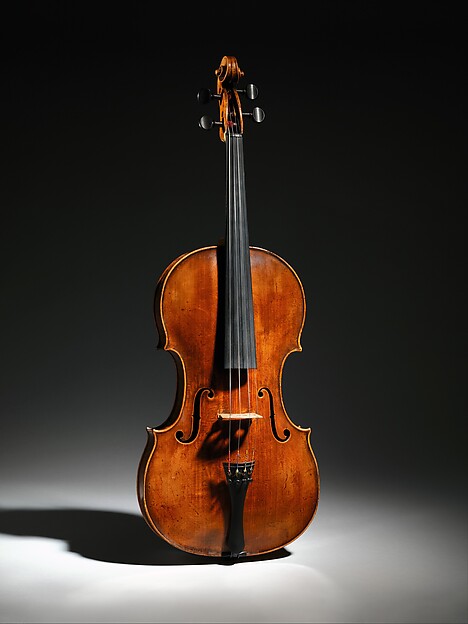
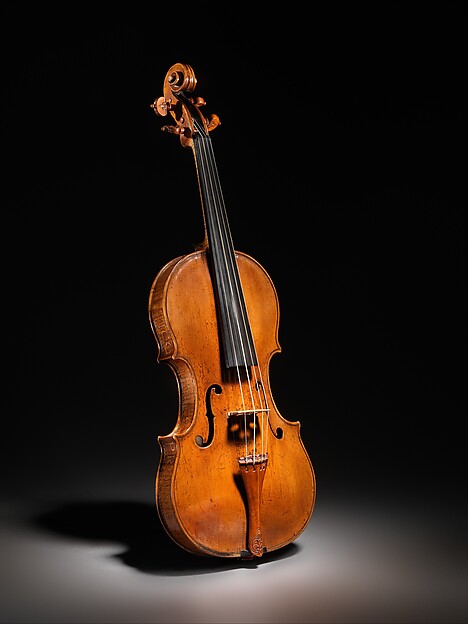
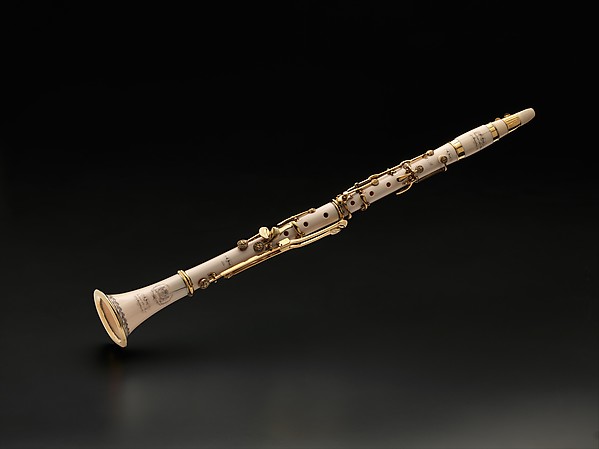
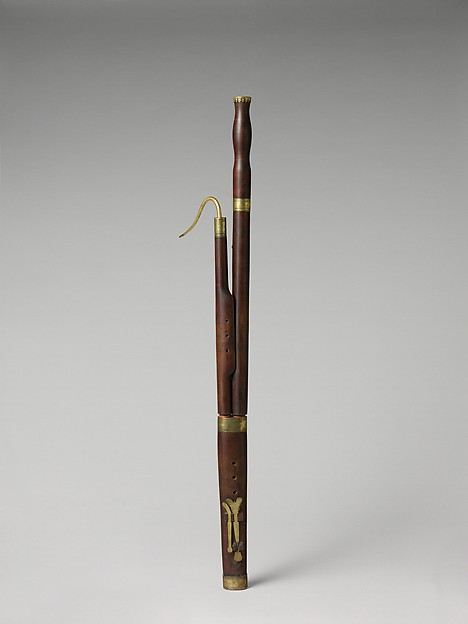
지금 Met에는 우리 연주자들이 연주하는 악기와 같은 집안의 악기 84점이 전시되어 있습니다. 그중 몇 점을 시간 순서대로 따라가 봅니다. 사진을 누르면 Met의 작품 페이지로 이동합니다.
Right now, 84 instruments from the same families as those our performers play are on view at The Met. Here are some of them, in the order they were made. Tap a picture to open its page on The Met website.

바이올린 집안 악기를 처음 만든 사람으로 꼽히는 안드레아 아마티의 작품입니다.By Andrea Amati, the maker credited with the first violin-family instruments.
셰익스피어가 태어나기 몇 해 전A few years before Shakespeare was born

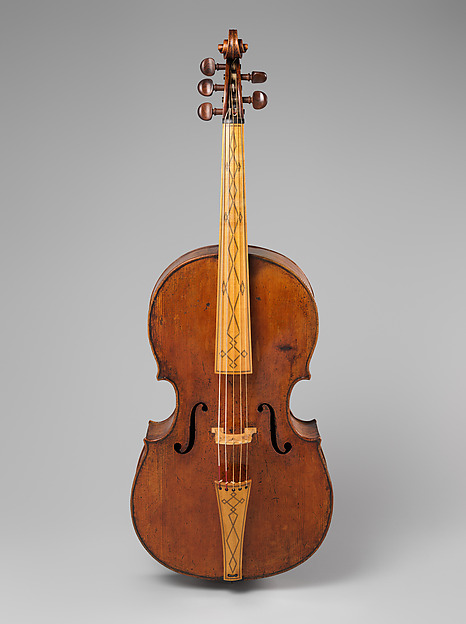
안드레아 아마티의 두 아들이 만든 첼로입니다.Made by the two sons of Andrea Amati.
몬테베르디가 오페라 《오르페오》를 올린 1607년 무렵Around the time Monteverdi staged his opera Orfeo (1607)

18세기에는 스트라디바리보다 더 귀하게 여겨진 제작자 슈타이너의 비올라입니다.By Jacob Stainer, whose instruments were prized even above Stradivari's in the 18th century.

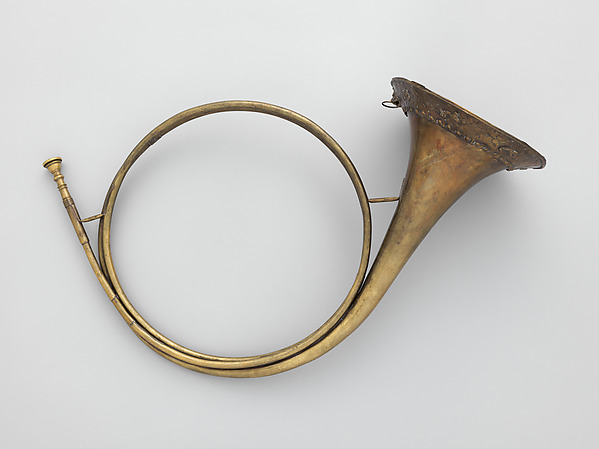
호른은 사냥터의 신호 나팔에서 시작해 오케스트라로 들어왔습니다.The horn began as a signal on the hunting field before it entered the orchestra.

스트라디바리의 "황금기"(1700~1720)에 만든 바이올린입니다.From Stradivari's "golden period" (1700 to 1720).
헨델의 오페라 《리날도》가 런던에서 초연된 해The year Handel's opera Rinaldo premiered in London

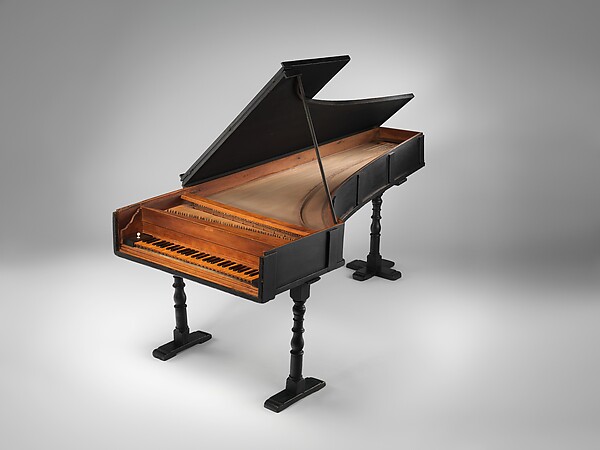
피아노를 발명한 크리스토포리의 작품으로, 현존하는 가장 오래된 피아노입니다. 페달이 없고 건반 수도 지금보다 적습니다.By Cristofori, the inventor of the piano: the oldest surviving piano. It has no pedals and a shorter keyboard than yours.
바흐가 서른다섯 살이던 해The year Bach turned 35

모차르트의 오페라 《후궁 탈출》이 빈에서 초연된 해The year Mozart's The Abduction from the Seraglio premiered in Vienna

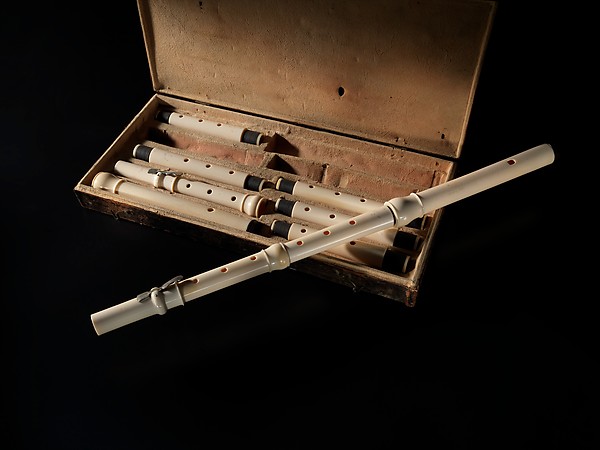
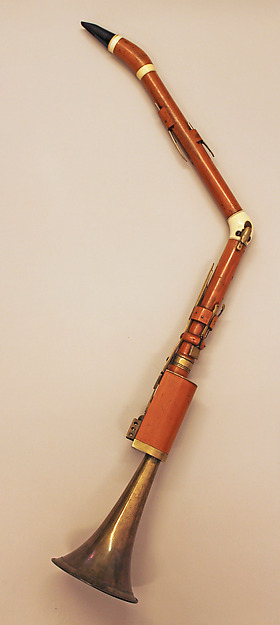
모차르트가 《레퀴엠》에 쓴 클라리넷 집안의 악기입니다.A member of the clarinet family that Mozart wrote into his Requiem.
베토벤이 교향곡 1번을 초연한 1800년 무렵Around 1800, when Beethoven premiered his First Symphony
조선 후기, 궁중과 마을에서 울리던 소리Late Joseon Korea, sounds of the court and the village

색소폰을 발명한 아돌프 삭스의 아버지가 만든 클라리넷입니다.Made by the father of Adolphe Sax, the inventor of the saxophone.
베를리오즈의 《환상 교향곡》이 초연된 해The year Berlioz's Symphonie fantastique premiered

리스트가 즐겨 연주한 에라르 공방의 피아노입니다.From the Érard workshop, whose pianos Liszt loved to play.

색소폰을 발명한 아돌프 삭스가 직접 만든 악기입니다. 아버지의 클라리넷과 같은 전시실에 있습니다.Made by Adolphe Sax himself, in the same gallery as his father's clarinet.

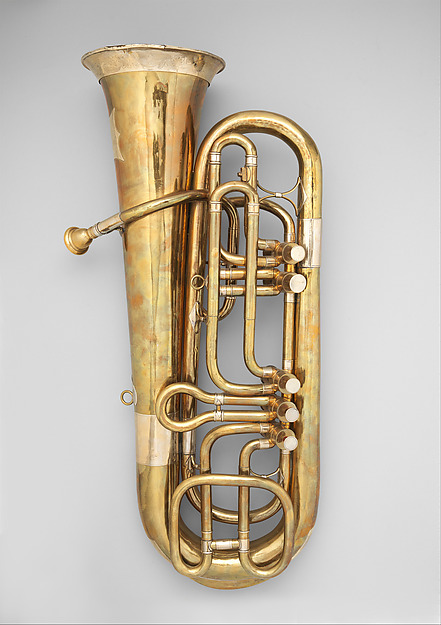
튜바는 1835년 베를린에서 처음 특허를 받은 젊은 악기입니다.The tuba was first patented in Berlin in 1835, a young instrument at the time.
5월 5일 개관 공연에서 차이콥스키가 직접 지휘대에 섰습니다. 지금의 와일 리사이틀홀도 그때부터 음악이 울려 온 무대입니다.
Tchaikovsky himself conducted on opening night, May 5. Today's Weill Recital Hall has held music since that same year.
460여 년 전의 바이올린부터 오늘의 무대까지. 같은 집안의 악기가 여러분의 손에서 다시 소리를 내고, 그 긴 이야기에 새로운 한 페이지가 더해집니다.
From a violin made more than 460 years ago to today's stage. Instruments of the same family sound again in your hands, and a new page is added to that long story.
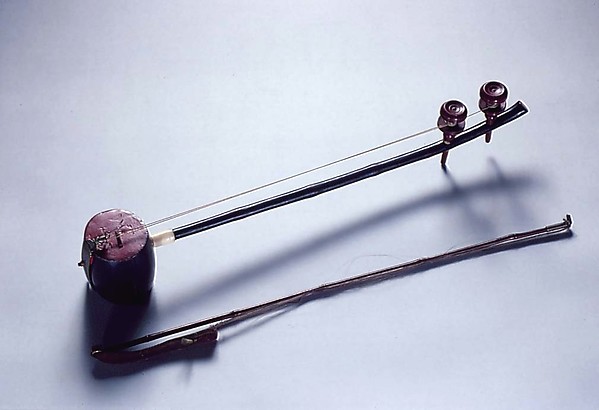
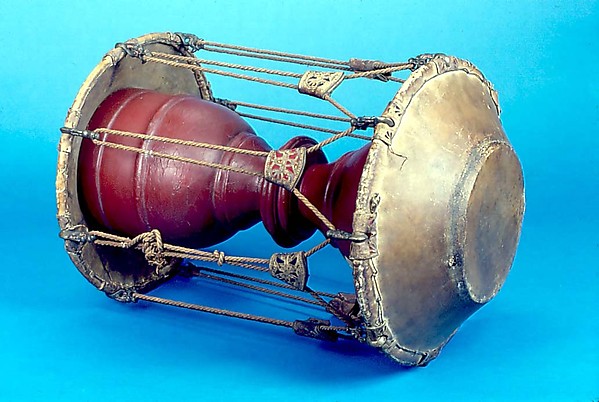
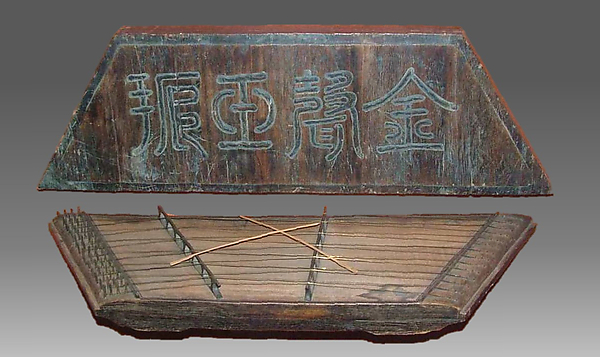
Met의 악기 전시실에는 유럽의 바이올린과 피아노 곁에 해금, 장구, 양금, 그리고 가야금과 거문고, 대금, 아쟁이 함께 놓여 있습니다. 한국 음악이 세계 음악의 유산으로 소개되는 자리입니다. 국악 연주자들은 이곳에서 우리 악기가 세계의 눈에 어떻게 비치는지 직접 보게 됩니다.
In The Met's musical instrument galleries, the haegeum, janggu and yanggeum, along with the gayageum, geomungo, daegeum and ajaeng, stand beside European violins and pianos. Here, Korean music is presented as part of the world's musical heritage, and our gugak performers see for themselves how their instruments are seen by the world.


.jpg)
시간이 된다면 같은 시대, 같은 나라의 그림과 공예품이 있는 전시실도 걸어 보세요. 한국 미술 전시실(Gallery 233)과 유럽 회화 전시실에서, 한 곡의 음악 뒤에 있는 시대의 풍경이 함께 보일 것입니다.
If you have time, walk through the galleries of the same era and place. In the Korean art gallery (Gallery 233) and the European paintings galleries, you will begin to see the world behind the music you play.
가야금, 거문고, 대금, 아쟁은 사진을 Met 사이트에서 볼 수 있습니다: 가야금 Gayageum, 거문고 Geomungo, 대금 Daegeum, 아쟁 Ajaeng
See the gayageum, geomungo, daegeum and ajaeng on The Met website: Gayageum, Geomungo, Daegeum, Ajaeng
12월 5일 카네기홀 무대에 서는 모든 연주자를 앰배서더로 초대합니다. 짧은 영상으로 여러분의 이야기를 들려 주세요. 영상은 대회 채널과 전자 프로그램북에 소개되며, 모든 앰배서더에게 활동 확인서(Certificate of Recognition)를 드립니다.
Every performer on the Carnegie Hall stage on December 5 is invited to become an Ambassador. Tell your story in a short video. Videos will be featured on the competition's channels and digital program book, and every Ambassador receives a Certificate of Recognition.
카네기홀 앞에서, 무대를 앞둔 마음이나 무대에 선 소감을 짧은 영상으로 들려 주세요.
Outside Carnegie Hall, share in a short video how you feel before or after your performance.
Met에서 만난 내 악기의 "조상" 이야기까지 들려 주면, 내 악기 이름을 붙인 앰배서더로 위촉합니다. 예: 바이올린 앰배서더 (Musical Heritage Ambassador (Violin)), 한국문화 앰배서더 (해금) (Korean Cultural Heritage Ambassador (Haegeum)).
Add the story of your instrument's ancestor at The Met, and you will be appointed an Ambassador named for your instrument, for example Musical Heritage Ambassador (Violin) or Korean Cultural Heritage Ambassador (Haegeum).
Ambassador video page